ByJohn A
How to Choose a Medical Recliner Chair for the Patient’s Comfort, Safety, and Long-Term Care Needs
When it comes to patient care, comfort and safety are two major factors that cannot be ignored. Choosing the right medical recliner chair can improve the overall experience for patients who spend long hours sitting during recovery or care. However, selecting the right option is not always easy because different patients have different needs. You need to understand the features, support options, and usability before making the final decision.
A proper approach focuses on creating a comfortable and supportive environment where patient needs are carefully considered. Whether the seating is required for healthcare facilities, recovery areas, or long-term care settings, every feature plays an important role in improving comfort and convenience.
Understand the Purpose Before Choosing
The first step is to understand why the chair is required. Many people assume that a regular comfortable chair can provide the same benefits, but patient care requires more attention. A chair designed specifically for healthcare needs offers better support, easier adjustments, and improved functionality.
Some patients may need a chair for short-term recovery, while others may require daily support for extended periods. The right choice depends on factors such as mobility, body support requirements, and how frequently the chair will be used.
See also: Family Lawyers North Bay: Providing Legal Support During Important Life Transitions
Look for Comfort and Proper Support
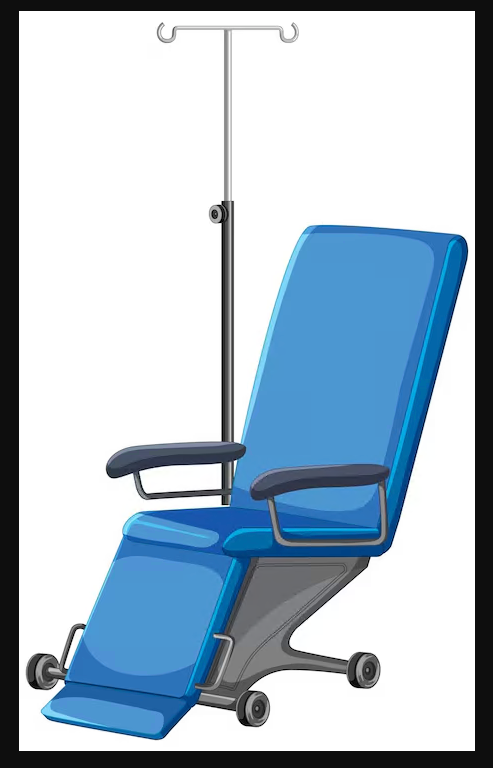
Comfort is one of the biggest reasons people choose specialized patient seating. A good medical recliner chair should help patients maintain a natural sitting position while reducing discomfort during longer periods of use.
Supportive cushioning, adjustable positions, and proper body alignment can make a major difference. Patients who spend several hours sitting may experience discomfort if the chair does not provide adequate support.
One important concept related to patient seating is pressure mapping. This technology helps identify how pressure is distributed across different areas of the body while sitting. Understanding this information helps in creating seating solutions that provide better comfort and support.
Consider Safety Features Carefully
Safety should always be a priority when selecting patient seating. A chair that looks comfortable but lacks stability or easy operation may create problems for both patients and caregivers.
Before choosing a chair, consider the following factors:
- Strong and durable construction
- Easy adjustment mechanisms
- Stable seating support
- Comfortable cushioning
- Simple maintenance requirements
These features can make everyday use easier and provide a safer experience for everyone involved.
Think About Long-Term Care Requirements
A chair used in healthcare environments needs to handle regular use without losing its effectiveness. Durability is an important factor because replacing equipment frequently can become inconvenient and expensive.
The quality of materials, construction methods, and overall design should be evaluated before purchase. A well-built chair can continue providing comfort and support even with frequent daily use.
Another important consideration is ergonomics. Ergonomic design focuses on creating products that work naturally with the human body. In patient seating, this means supporting better posture, reducing strain, and improving overall comfort.
Why Adjustability Makes a Difference
Patients often have different comfort preferences throughout the day. Some may want a more upright position during conversations or meals, while others may prefer a relaxed position during rest.
Adjustable features allow users to find a position that suits their needs. This flexibility is especially useful in healthcare environments where chairs may need to support different patients with different requirements.
The concept of biomechanics also plays an important role in seating design. It focuses on how the human body moves and responds to different positions. Understanding biomechanics helps create seating options that provide better support and improve patient comfort.
Make an Informed Decision for Better Patient Care
Choosing patient seating is not only about finding a comfortable chair. It requires understanding safety, durability, adjustability, and the specific needs of the person using it.
The right medical recliner chair can provide better comfort, support easier care routines, and improve the overall patient experience. By evaluating important features and considering long-term requirements, you can select a solution that offers practical benefits for both patients and caregivers.
A thoughtful decision can make everyday care more comfortable and create a better environment where patients feel supported throughout their recovery or long-term care journey.