ByJohn A
310 Stainless Steel Pipe Explained: Properties, Uses, and Industrial Applications
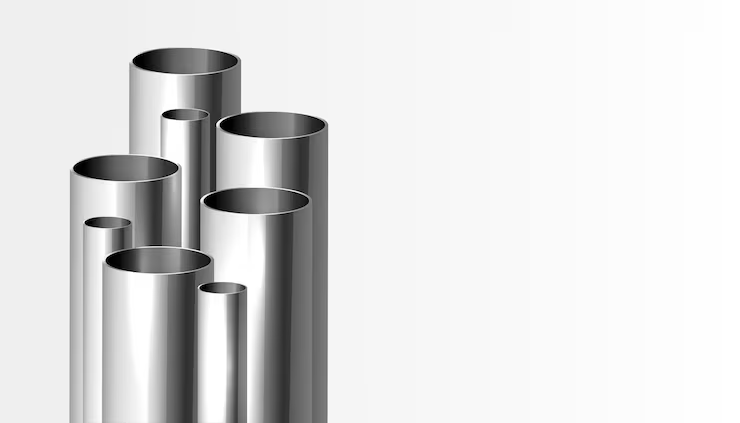
When selecting materials for industrial projects, one of the biggest questions that comes to mind is which type of steel will provide the right balance of strength, durability, and performance. There are different grades of stainless steel available, and choosing the right option can become confusing without proper knowledge. If you need a material that can handle extreme temperatures and challenging environments, then a 310 stainless steel pipe can be an ideal choice. It is widely used in industries where regular steel may fail due to heat, corrosion, or demanding operating conditions.
Understanding 310 Stainless Steel Pipe
Before selecting any industrial material, it is important to understand what makes it different from other options. Stainless steel pipes are available in multiple grades, and each grade is designed to perform under specific conditions. The 310 grade is known for its excellent strength at high temperatures and its ability to maintain performance in harsh environments.
A 310 stainless steel pipe contains higher amounts of chromium and nickel compared to many standard stainless steel grades. These elements help improve its resistance against heat and oxidation. Due to these properties, this type of pipe is often selected for applications where reliability and long service life are important.
See also: Family Lawyers North Bay: Providing Legal Support During Important Life Transitions
Key Properties That Make It Different
The performance of any industrial pipe depends on its physical and chemical properties. The 310 grade stainless steel is designed to provide stability even when exposed to extreme operating conditions.
Some important properties include:
- High resistance to elevated temperatures.
- Strong durability in demanding industrial environments.
- Good resistance to corrosion and oxidation.
- Ability to maintain mechanical strength during heat exposure.
- Long-lasting performance with reduced maintenance needs.
These characteristics make it suitable for industries that require materials capable of handling continuous stress. Whether it is used in manufacturing equipment or heat-related applications, the material provides dependable performance.
Why Is Heat Resistance Important?
Many industrial processes involve extremely high temperatures. In such situations, ordinary materials may lose their strength, become damaged, or require frequent replacement. This is where heat-resistant stainless steel becomes valuable.
The ability of 310 grade stainless steel to perform under high temperatures makes it suitable for environments such as furnaces, heat treatment equipment, and processing units. Its structure allows it to remain stable even when exposed to repeated heating and cooling cycles.
Another important factor is its ability to maintain durability over time. Industries often prefer materials that reduce downtime and replacement costs because equipment failures can affect overall productivity.
Industrial Applications of 310 Stainless Steel Pipe
The applications of this material are not limited to a single industry. Due to its unique properties, it is used in several sectors where temperature resistance and strength are required.
Common applications include:
- Furnace components and heating systems.
- Chemical processing equipment.
- Heat exchangers and industrial boilers.
- Food processing equipment exposed to high temperatures.
- Power generation facilities.
- Manufacturing plants with high-temperature operations.
One important factor behind its popularity is its oxidation resistance, which helps the material maintain its surface quality and strength even when exposed to air at elevated temperatures. This property allows industries to use it in challenging conditions where other materials may deteriorate quickly.
Factors to Consider Before Choosing This Material
Choosing the right pipe requires understanding the specific requirements of your project. Temperature levels, environmental conditions, pressure requirements, and application type all play an important role in making the right decision.
For example, a pipe used in a high-temperature furnace environment may require different specifications compared to one used in a chemical processing system. Understanding these differences helps ensure better performance and longer service life.
Another important factor is thermal conductivity, which describes how a material transfers heat. This characteristic can influence how efficiently equipment operates, especially in systems where heat management is a critical requirement.
A Reliable Choice for Demanding Environments
When industries require a pipe that can perform under difficult conditions, choosing the right stainless steel grade becomes extremely important. A material that offers strength, heat resistance, and durability can help improve efficiency and reduce frequent maintenance requirements.
A 310 stainless steel pipe is designed for applications where standard materials may not provide the required performance. Its combination of alloy composition and industrial reliability makes it a preferred option for high-temperature environments.
Before making a final selection, it is always recommended to evaluate the operating conditions, required specifications, and long-term performance expectations. The right material choice can make a significant difference in the safety, efficiency, and durability of industrial systems.