ByJohn A
Whirling Dervishes and Orthodox Bells: The Spiritual Landscapes of a Greece and Turkey Journey
Some trips change how you see a destination. A Greece and Turkey package does something quieter and stranger than that. It shifts how you hear one. You start noticing the sounds a country makes when it prays. In Istanbul, the call to prayer rolls across the rooftops five times a day. A few hundred miles west, in a small Greek village, an Orthodox bell answers from a stone tower. Same sky, different sounds of prayer.
Most people book this kind of trip for viewing the ruins and the coastline. What stays with them later is usually the spiritual texture of Greece and Turkey packages, the part no brochure really prepares you for. You feel it before you can explain it.
Why Spiritual Travel Feels Different Here
There is a fear a lot of travelers carry without naming it. The fear of standing in a famous place and feeling nothing. You save for years, you fly across an ocean, and then Hagia Sophia is just a big building with a crowd and a ticket line.
That emptiness is real, and it happens more than people admit.
The way around it is not another guidebook. It is context. Someone standing beside you who can explain why this floor, this dome, this faded mosaic mattered enough that people fought over it for centuries. That is when a space stops being a photo op and starts meaning something.
See also: Family Lawyers North Bay: Providing Legal Support During Important Life Transitions
Whirling Dervishes and the Weight of Silence
The Whirling Dervishes are easy to misunderstand. From the outside, it looks like a performance: men in white robes spinning to music. Perhaps that is how many first-time visitors read it.
It is not a show. The sema ceremony is a form of Sufi worship, a moving prayer that has been practiced for hundreds of years. The spinning represents a soul turning toward the divine.
Watching it, most people go quiet without deciding to. There is something about that steady rotation that pulls the noise out of your head. You came expecting a spectacle. You leave a little rearranged, and you are not sure when that happened.
A knowledgeable local guide makes the difference between watching and understanding. Ours tend to be people who grew up with these traditions, not reciters of memorized facts.
Orthodox Bells and the Greek Spiritual Rhythm
Cross into Greece, and the register changes completely.
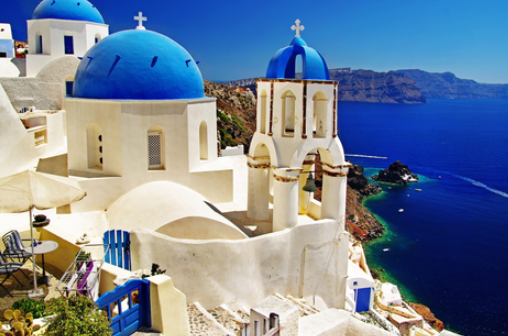
Here the spiritual life lives in monasteries perched on cliffs, in tiny whitewashed chapels, in the smell of incense drifting out of a doorway. Greek Orthodox worship is old, and it feels old in the best way. Weathered. Rooted. Lived-in.
You might visit a monastery where monks still keep the same daily hours their predecessors kept a thousand years ago. Time works differently in those courtyards.
Here is what surprises people. The contrast between Turkish and Greek spiritual life is not jarring. Set side by side across one trip, the two traditions almost seem to be having a conversation. Both reach upward. Both are very sure of what they are reaching for.
What a Thoughtful Itinerary Actually Looks Like
Seeing both worlds in one trip sounds simple. Doing it well is not.
The countries are close, but the logistics between them can trip up even seasoned travelers. Border crossings, ferry schedules, the right guide who knows a specific site instead of reading a plaque out loud.
A well-planned private tour handles the quiet parts most people never think about:
Timing your visits so you avoid the tour-bus crush and get real space to reflect.
Pairing you with local guides who carry the cultural background, not just the route
Arranging respectful access to active religious sites, with the right dress and the right hours
Building in unhurried time, because rushing a monastery defeats the entire point
That last one matters more than travelers expect. Spiritual places do not reveal much to people checking their watch.
The Fear of Getting It Wrong
There is another worry that keeps people from booking. The fear of being disrespectful. Of walking into a sacred space and committing some quiet offense without knowing it.
It is a fair concern. These are living places of worship, not museums.
This is exactly where a good guide earns their keep. They tell you when to cover your head, when silence is expected, when photos are fine and when they truly are not. You move through each site like a welcomed guest instead of an anxious outsider. The difference in how the day feels is enormous.
Two Faiths, One Journey, a Different Kind of Traveler
You come home from a Greece and Turkey journey with the usual photographs. Domes, coastlines, a plate of something you cannot stop describing.
But the thing you keep returning to is quieter. It is the memory of standing in two very different sacred spaces and feeling, in both, that you had brushed up against something larger than the trip itself.
That is not something you can plan into an itinerary on your own from a laptop at midnight. It takes local knowledge, careful pacing, and people who understand these traditions from the inside.
Ready to hear what both countries sound like when they pray? Tell us your travel ideas, and we will build a private journey around them.